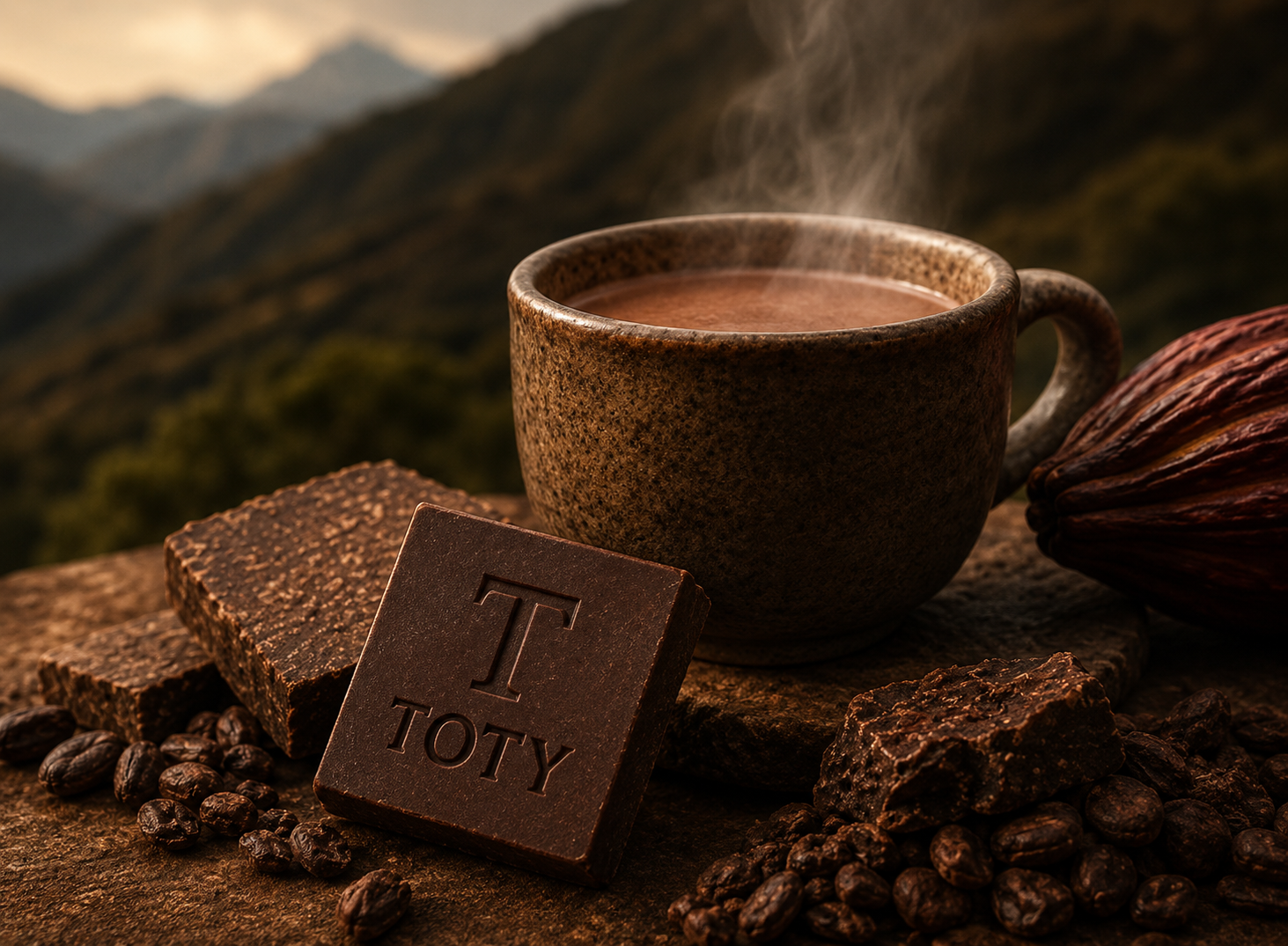
The Food of the Gods
A history written
in cacao.
Four thousand years of ceremony, medicine, and devotion — from the rainforests of the Amazon to the clay cups of today.
Theobroma Cacao
“Food of the gods” — and one of humanity's oldest companions.
Long before cacao became chocolate, it was medicine, currency, and sacrament. Ancient peoples drank it bitter and unsweetened, sharing it in ceremony to mark birth, marriage, harvest, and death. To hold a cup of pure cacao today is to take part in a lineage older than almost any food we know.
Origins
From the Amazon to the altar.
1900 BCE · Amazon Basin
Recent archaeological evidence traces cacao's domestication to the upper Amazon — present-day Ecuador and Bolivia — over 5,000 years ago.
600 BCE · Olmec & Maya
Cacao becomes sacred. The Maya brew kakaw — a frothy, spiced drink — and inscribe it on tombs and temple walls as the drink of kings and gods.
1400s · Aztec Empire
Beans are used as currency. Xocolatl, drunk by warriors and nobility, is believed to bestow strength, wisdom, and divine connection.
1500s · Across the Sea
Spanish conquest carries cacao to Europe, where sugar and milk transform it into the chocolate the world now knows — and largely forgets its origin.
Today · A Return to Source
A new generation rediscovers cacao in its original form: pure, ceremonial, single-origin — honoring the farmers and forests it comes from.

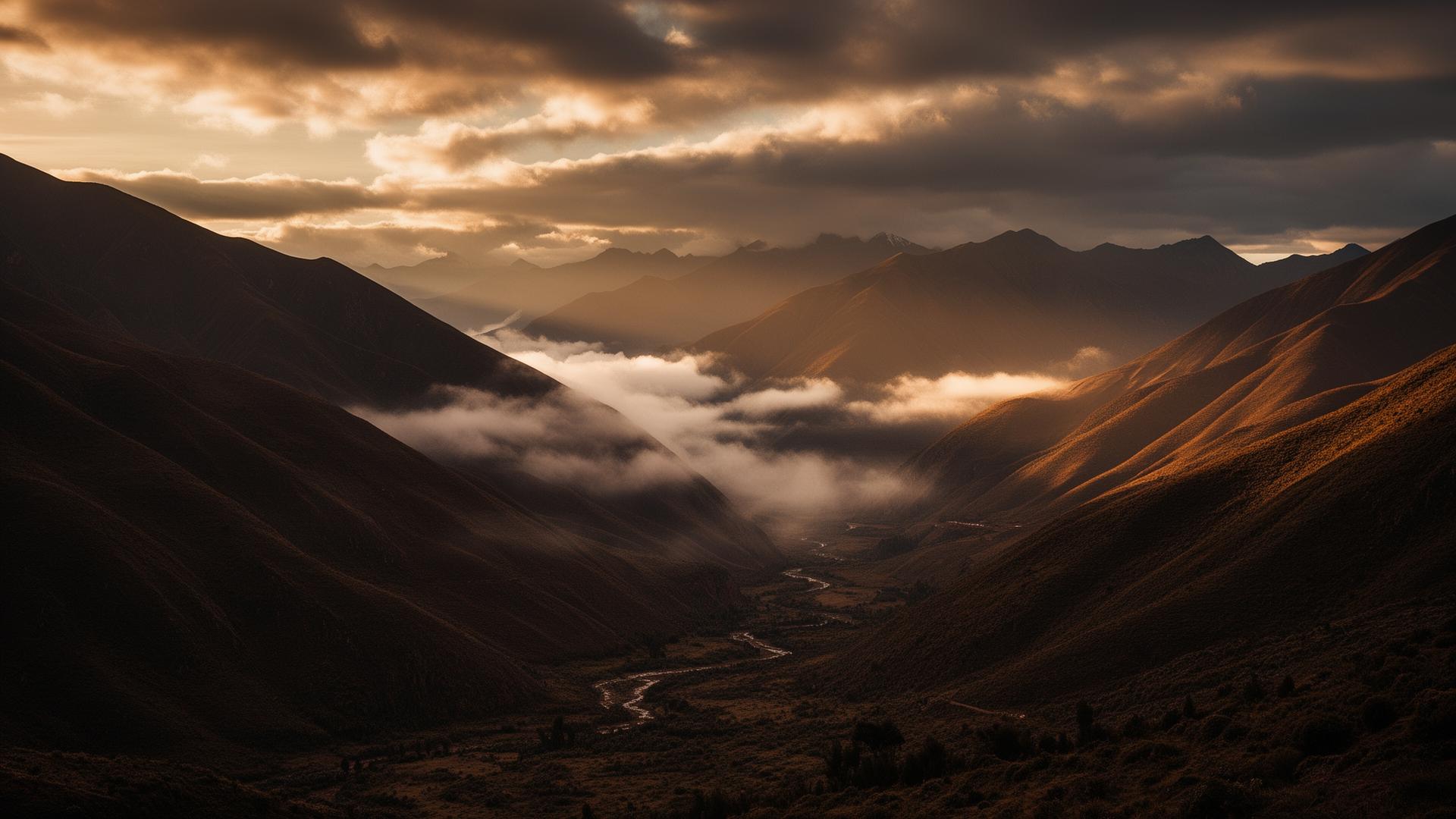
Cacao in Bolivia
One of the rarest cacaos on earth grows here.
Bolivia is one of the few countries on earth where wild cacao — cacao silvestre — still grows untouched in the Amazon basin. The regions of Beni, Alto Beni, and the Yungas are home to native varieties that predate cultivation itself.
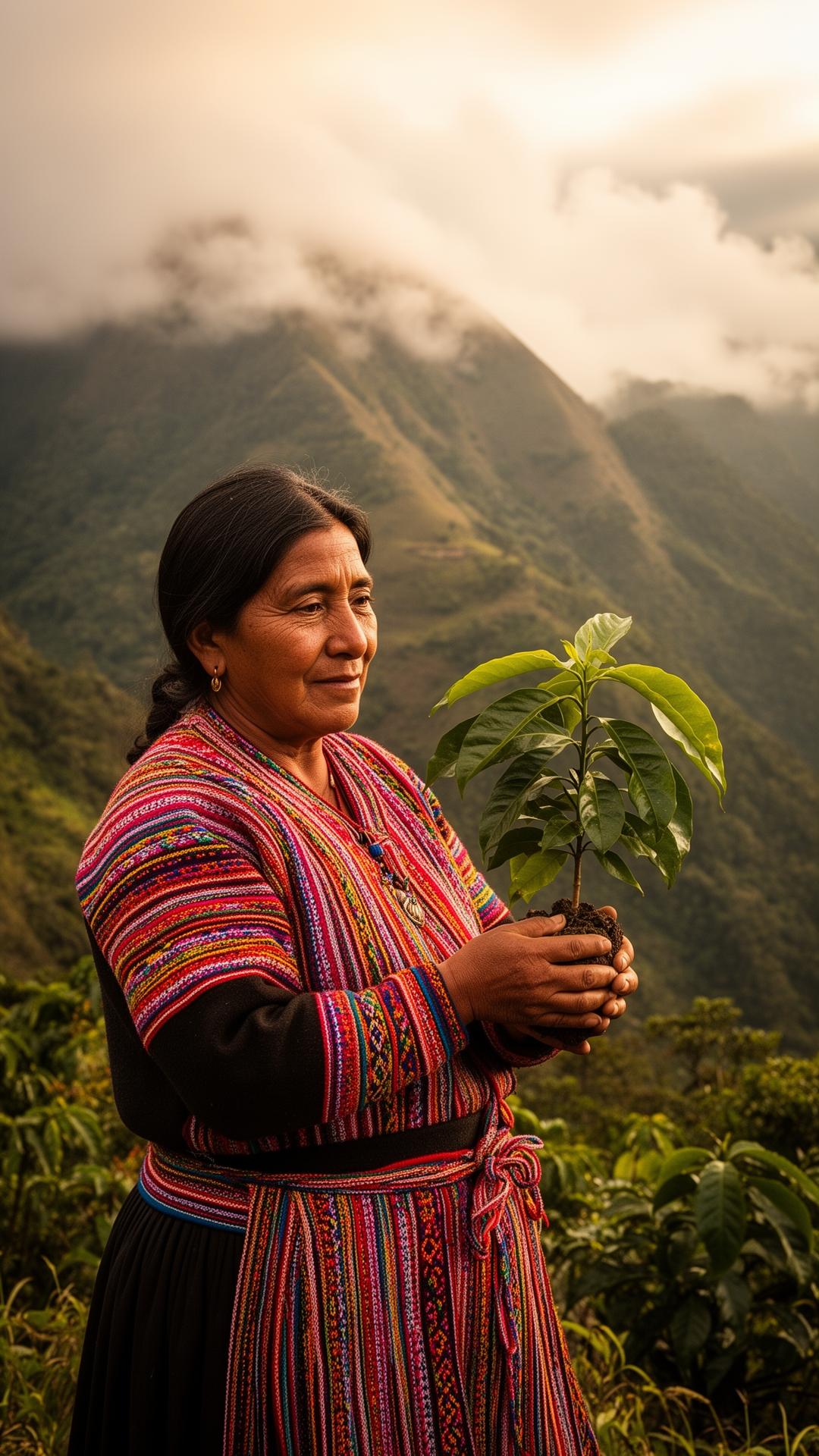
For the indigenous Tacana, Mosetén, and Tsimané communities, cacao has always been more than crop. It is gathered from the forest, fermented in wooden boxes, and dried under Andean sun — a slow practice carried across generations.
At House of Toty, every bean is traced to the family that grew it. We work directly with Bolivian farmers, paying ethical premiums that honor a land, and a knowledge, that has fed the world in silence for centuries.
The Ceremony
An ancient ritual, made for the modern day.
Ceremonial cacao is pure — 100% cacao, stone-ground, unsweetened, and prepared with intention. Unlike chocolate, nothing is added and nothing is taken away. What remains is the bean as the Maya knew it: bitter, earthy, and deeply alive.
A cup is traditionally taken in stillness — at sunrise, before meditation, journaling, dance, or quiet conversation. It is an invitation to slow down and meet yourself.
01
Warm, do not boil
Heat water or plant milk to just below a simmer. High heat dulls cacao's compounds.
02
Whisk with care
Stir until silky and frothed. The act itself is part of the ritual.
03
Set an intention
A word, a question, a feeling. Cacao is a witness, not a fix.
04
Sip slowly
Sit. Listen. Let the warmth settle into the body before the mind.
How to Use It
More than a drink.
Morning Ritual
A grounding alternative to coffee — alert, calm, and clear without the crash.
Meditation & Yoga
Opens the heart and softens the breath; widely used to deepen presence.
Focus & Creativity
Theobromine sharpens attention while easing tension — ideal for deep work.
Movement & Dance
Used in cacao dances and ecstatic movement to release and reconnect.
Connection
Shared in circles, ceremonies, and quiet conversations between two people.
Cooking & Baking
Grated into oats, smoothies, or desserts for pure, unsweetened cacao depth.
The Benefits
Why the ancients called it medicine.
Modern science is only beginning to confirm what indigenous cultures have known for millennia. Pure cacao is one of the most nutritionally dense foods on the planet.
40×
more antioxidants than blueberries — protecting cells from oxidative stress.
Mg
Among the richest natural sources of magnesium — for muscles, sleep, and calm.
Fe
Naturally high in iron, supporting energy and circulation.
♡
Flavanols shown to support healthy blood flow and cardiovascular function.
+
Theobromine — a gentle, longer-lasting lift without coffee's jitters.
☼
Anandamide & PEA — naturally occurring 'bliss molecules' linked to mood.
Note: Ceremonial cacao is a food, not a medicine. If you are pregnant, on antidepressants, or have heart conditions, consult a practitioner before consuming high doses.
Begin Your Ritual
Hold a cup. Honor a lineage.
Our ceremonial cacao is stone-ground from single-origin Bolivian beans — traceable, ethical, and unchanged from the way it has been prepared for thousands of years.
Shop Ceremonial Cacao